



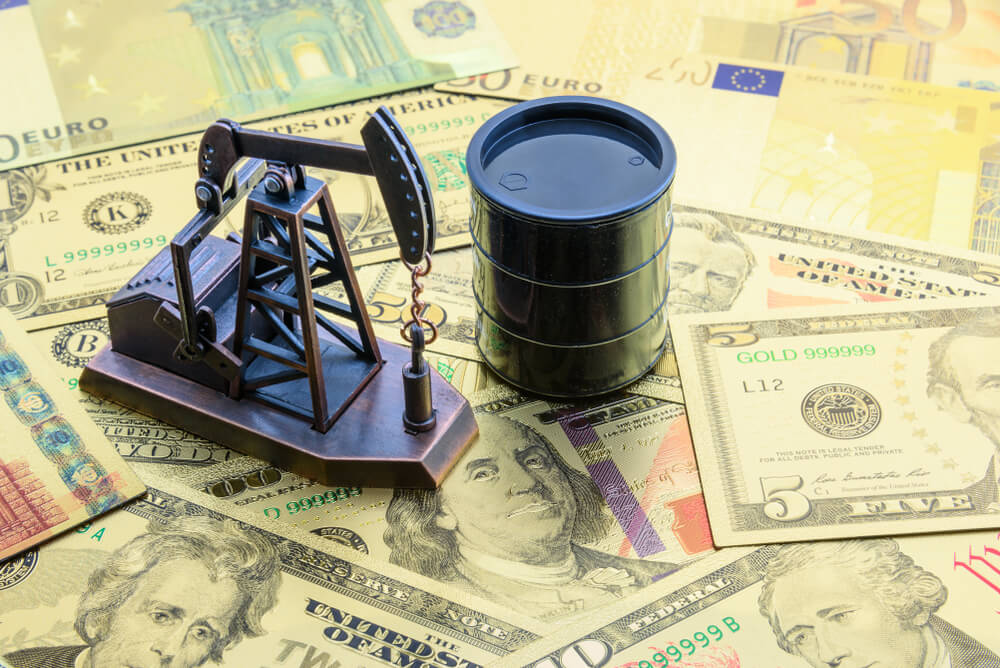
Did you know AMarkets traders work with more than just currencies? We offer seven trading instruments, and oil is a major player.
With its century-long track record of profitability and high liquidity, oil can be a powerful income source and portfolio diversifier—if you know how to navigate it. In this article, we’ll break down the key trends and factors to watch in 2025.
Article content
Trading Oil CFDs: WTI or BRENT?
AMarkets provides Contracts for Difference (CFDs) on two major crude oil benchmarks: WTI (West Texas Intermediate) and BRENT.
WTI, produced in the U.S., is the North American benchmark. Its lighter, low-sulfur composition makes it easier and more cost-effective to refine. BRENT, extracted from the North Sea, serves as the benchmark for Europe, Asia, and Africa. It’s slightly heavier and has a higher sulfur content than WTI.
Ultimately, your choice between WTI and BRENT CFDs depends on your trading strategy, regional market familiarity, and individual preferences.

Unlocking Oil’s Potential: Volatility and Liquidity
Oil presents distinct advantages for traders, primarily its high volatility and liquidity. This volatility, evidenced by price swings from $20 to $145 per barrel over the past 20 years, creates abundant opportunities for both short-term and long-term traders.
Coupled with high liquidity, which ensures swift transactions with minimal costs, oil becomes a compelling asset. However, successful oil trading demands a comprehensive understanding of global economic, political, and energy trends. The more you grasp these factors, the more informed and profitable your trades will be.
Factors Shaping Oil Prices in 2025: Supply and Demand Dynamics
As in previous years, the interplay of supply and demand will largely determine oil prices in 2025. Specifically, supply will be influenced by several key factors. These include OPEC+ production decisions, geopolitical events, particularly in major oil-producing regions, and the overall output levels of leading oil-producing countries.
On the demand side, global economic growth plays a pivotal role. Should major economies such as China, the U.S., and the EU maintain their growth trajectories, oil demand is expected to rise. Conversely, an economic slowdown could result in a decrease in oil consumption, as witnessed during the COVID-19 pandemic.
Furthermore, it is essential to consider long-term shifts in energy consumption. The increasing adoption of renewable energy sources has the potential to reduce oil demand. In the transport sector, the proliferation of electric vehicles is expected to diminish gasoline requirements. Concurrently, the escalating electricity demands of cryptocurrency mining may introduce new variables into energy market dynamics.

Key Factors to Watch in 2025
The oil market in 2025 faces potential volatility from several major developments:
- U.S. Political Landscape: The return of President Trump to the Oval Office introduces renewed policy uncertainty. His past pledges to lower oil prices – largely unfulfilled – remain influential. Any new executive actions, regulatory changes, or foreign policy shifts, especially regarding energy independence or OPEC relations, could have ripple effects across global markets.
- Middle East instability. The fragile ceasefire between Israel and Palestine recently ended, reigniting regional tensions and raising fears of a broader conflict. Any escalation – especially if it involves key players like Iran or disrupts critical supply routes – could spark concerns over oil security and push prices higher.
- Possible U.S.-Iran deal. Although a diplomatic breakthrough remains a long shot, any progress toward a U.S.-Iran nuclear deal could have significant implications for the oil market. Eased sanctions would allow Iran to boost exports, increasing global supply and potentially exerting downward pressure on prices. However, even talk of negotiations can influence market expectations.
- China’s Economic Performance: Despite persistent recessionary fears, China is pushing forward with economic stabilization measures, including fiscal stimulus and infrastructure investment. If successful, these efforts could reignite industrial activity and energy demand. Combined with similar infrastructure-driven growth in parts of Europe, this could serve as a key source of support for global oil demand in 2025.
In Conclusion
The oil market in 2025 offers substantial profit potential for agile traders who can anticipate global shifts. Yet, it’s crucial to acknowledge oil’s intricate nature. Navigating this market requires a keen understanding of global events, economic data, and energy trends. To maximize returns, stay current, consult expert insights, and make well-informed trading choices.